
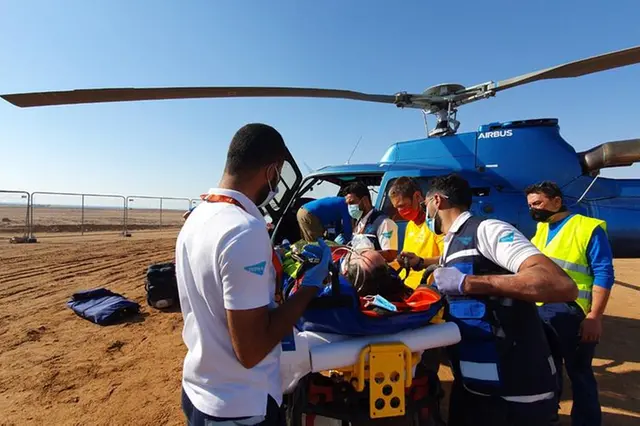
As temperatures continue to soar across the UAE and the country’s annual midday work break comes into effect, Response Plus Medical Services (RPM) – a subsidiary of Response Plus Holding PJSC and the leading pre-hospital care and emergency medical services provider in the region, has released summer safety guidelines designed to help protect thousands of outdoor workers from heat-related illnesses.
With construction sites, logistics hubs, energy facilities, and other outdoor workplaces facing some of the hottest months of the year, the guidelines encourage employers and workers alike to move beyond traditional heat awareness campaigns by adopting simple yet effective preventive measures that focus on early detection, hydration, and teamwork.
According to RPM, heat exhaustion and heat stroke rarely happen without warning. Instead, the body often gives early signals that should never be ignored. The guidelines highlight the importance of recognizing symptoms such as excessive thirst, dizziness, muscle cramps, unusual fatigue, irritability, confusion, or difficulty maintaining balance, allowing workers to seek help before their condition becomes serious.
One of the key recommendations is introducing a ‘buddy system’, where colleagues regularly check on one another throughout the workday. By spotting changes in behaviour or physical condition early, workers can help prevent medical emergencies before they occur.
The guidelines also encourage workers to stay ahead of dehydration by monitoring simple daily indicators such as urine colour, with darker shades signalling the need to drink more water. Employers are advised to schedule physically demanding tasks, including heavy lifting, excavation, and scaffolding work, during the cooler morning hours whenever possible to reduce prolonged exposure to extreme heat.
Preparing for the workday is equally important. RPM recommends getting sufficient sleep before each shift, limiting excessive caffeine intake, and ensuring the body is well hydrated before heading outdoors, helping workers better cope with high temperatures throughout the day.
For more serious cases, RPM warns that symptoms including confusion, loss of consciousness, or the absence of sweating despite extreme heat should be treated as medical emergencies. Anyone displaying these warning signs should be moved immediately to a cool or shaded area, cooled as quickly as possible, and provided with urgent medical assistance without delay.
By sharing these practical recommendations, RPM aims to support the UAE’s ongoing efforts to create safer working environments while encouraging a stronger culture of prevention during the summer months. As temperatures continue to rise each year, experts say that small daily habits staying hydrated, watching out for colleagues, and recognising early warning signs can make a significant difference in preventing heat-related illnesses and saving lives.
