
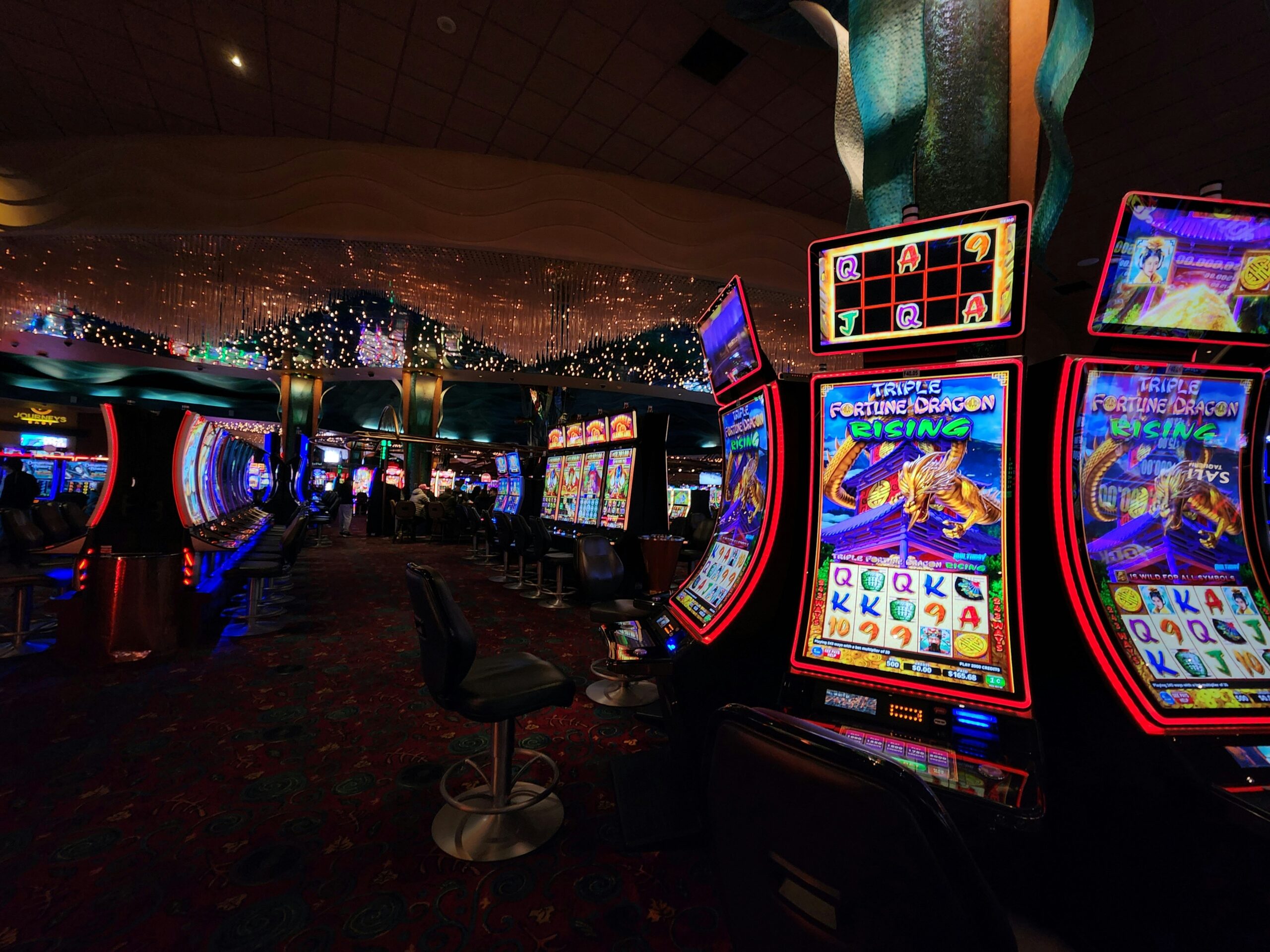
The Psychology of Casino Games: Why Certain Titles Keep Players Coming Back
Casino games do not hold attention for one single reason. Players return because several design elements work together, including pace, familiarity, feedback, and the simple appeal of not knowing what comes next. That mix feels different from player to player. Still, certain patterns show up again and again across slots, table games, and live dealer titles.
Familiarity Starts Before the First Round
Part of the appeal begins before the game even loads. Players often gravitate toward titles with themes, rules, and formats they already understand, because familiar structures reduce friction and make it easier to settle into a session.
Early choices are often shaped by a quick comparison stage rather than by impulse alone. Many players first sort out what kind of casino environment, payment setup, and game selection they want, especially when they are deciding between several brands at once. That is why a search for UAE casino online can become part of the process when someone is using MonsterBetList to compare casino categories, terms, and basic account details before choosing where to play.
Looking through that information first gives the player a clearer sense of what feels familiar, what looks too cluttered, and which setup matches their usual playing habits. It can also reduce the chance of picking a title simply because the visuals are loud or the bonus screen looks busy in the first minute. Once that first choice is made, familiarity keeps doing its job. A player who already understands the theme, bonus style, or table rules usually needs less effort to re-engage, and that lower mental effort often matters more than novelty alone.
Anticipation Matters More Than People Think
Much of the excitement comes from the few seconds before the result appears. That brief pause creates tension, especially in short-round games where outcomes arrive quickly and the next round is always close.
This is one reason fast formats stay memorable. They create a rhythm of expectation, feedback, and reset that can feel satisfying even when the outcome is unpredictable.
What Keeps Titles Mentally Sticky
Some features do more than decorate the screen. They help make certain games easier to remember and easier to return to.
Common examples include:
- Clear visual feedback after each spin, hand, or reveal.
- Sound design that marks transitions, bonus triggers, or stronger outcomes.
- Progress bars, collections, or unlockable features that create momentum.
- Bonus rounds that break the routine and add novelty.
- Live chat and dealer interaction that make sessions feel more social.
These features do not affect random outcomes, but they do shape how the session feels. A game that sounds sharper, looks clearer, or changes pace at the right moment is often more engaging than one that feels flat.
That is also why variety matters. Players may enjoy a familiar core format, but extra features help prevent that familiarity from turning into repetition.
Celebration Is Not the Same as a Win
Good design can make a game feel energetic, but regulated products also face limits on how feedback is used. In British online slots, rules were tightened so returns equal to or below the stake must not be celebrated in the same way as a true win.
That distinction matters because visual excitement and actual value are not the same thing. A real win is about the result itself, not just the lights, sounds, or animation wrapped around it.
Why Players Return
The strongest engagement usually comes from a blend of anticipation, familiarity, and variation. A title feels easy to understand, quick to enter, and slightly different each time.
That does not mean outcomes can be predicted. It means well-designed games give players enough rhythm, feedback, and variety to make the experience feel consistently interesting.
