
Rhinoplasty is a surgical procedure used to reshape the nose and improve its proportion in relation to the rest of the face. For people researching Rhinoplasty Dubai, understanding the procedure, expected costs, recovery process, and surgeon selection is important before making a decision.
Dubai has become a major destination for cosmetic and facial aesthetic treatments, with patients able to choose from a wide range of clinics and specialists. However, selecting a surgeon should involve more than comparing prices. Experience, qualifications, surgical planning, patient communication, and aftercare can all influence the overall treatment experience.
This guide explains what prospective patients should know about rhinoplasty in Dubai, including the factors that affect cost, what recovery can involve, and how to approach the process of choosing a surgeon.
What Is Rhinoplasty?
Rhinoplasty is a surgical procedure that changes the shape or structure of the nose. Depending on the patient’s goals and anatomy, the procedure may address the nasal bridge, tip, nostrils, overall size, or proportions of the nose.
In some cases, rhinoplasty may also have a functional purpose. Structural problems within the nose can contribute to breathing difficulties, so an appropriate consultation may consider both appearance and nasal function.
The technique used depends on several factors, including the patient’s anatomy, the desired changes, previous nasal surgery, skin characteristics, and whether structural correction is required.
How Much Does Rhinoplasty Cost in Dubai?
There is no single price for rhinoplasty in Dubai. The final cost can vary depending on the complexity of the procedure, the surgeon’s experience, the facility, anesthesia, and the level of aftercare required.
When researching rhinoplasty prices, patients should consider what is actually included in a quotation rather than comparing headline prices alone.
Factors that can affect the cost include:
- Type of rhinoplasty: Primary and revision rhinoplasty can involve different levels of complexity.
- Surgical technique: The approach selected by the surgeon depends on the patient’s anatomy and treatment goals.
- Procedure complexity: Structural changes or extensive reshaping may require additional surgical planning.
- Surgeon’s expertise: Professional fees can vary based on qualifications and experience.
- Facility and anesthesia: Hospital or surgical-facility charges and anesthesia may form part of the overall cost.
- Pre-operative assessment: Consultation and necessary medical assessments may contribute to the total price.
- Post-operative care: Follow-up visits and aftercare should also be considered.
A consultation is therefore the best way to receive an individualized estimate.
What Happens During a Rhinoplasty Consultation?
A rhinoplasty consultation is an important stage of the treatment process. During the appointment, the surgeon may assess the structure and proportions of the nose, facial balance, medical history, breathing concerns, and the patient’s expectations.
The discussion should also cover what changes are realistically achievable. Rhinoplasty cannot guarantee perfect symmetry because natural facial asymmetry exists, and individual healing can affect the final appearance.
Patients should use the consultation to explain what they would like to improve and ask how the proposed procedure would address those concerns.
It is also useful to discuss the expected recovery period, possible risks, surgical technique, and follow-up arrangements before deciding whether to proceed.
How Long Is Rhinoplasty Recovery?
Rhinoplasty recovery takes place gradually. Initial swelling and bruising generally improve during the early stages, but the nose can continue changing as the tissues heal.
The American Society of Plastic Surgeons notes that initial swelling can decrease over several weeks, while the final nasal contour may continue developing for up to a year.
During the early recovery period, patients may experience:
- Swelling around the nose and face
- Bruising
- Temporary nasal congestion
- Tenderness or discomfort
- Changes in sensation
- Gradual changes in nasal appearance
Recovery varies between individuals and depends on the procedure performed. Patients should follow their surgeon’s specific instructions regarding medication, wound care, sleeping position, physical activity, and follow-up appointments.
When Can You Return to Normal Activities?
The time required before returning to normal activities depends on the individual procedure and recovery.
Some people may return to less demanding daily activities relatively quickly, while strenuous exercise and activities that could cause an impact to the nose may need to be avoided for longer.
Patients should not assume that the nose has completely healed simply because the initial swelling has reduced. Internal and external tissues can continue to heal for months.
Following the surgeon’s post-operative instructions is therefore essential for supporting recovery.
Choosing the Right Rhinoplasty Surgeon in Dubai
Choosing the right surgeon is one of the most important decisions in the rhinoplasty process.
Patients should consider several factors rather than selecting a provider based only on price or online photographs.
Check Qualifications and Experience
Look for a qualified medical professional with appropriate training and relevant experience in rhinoplasty or facial aesthetic procedures.
Experience with the specific type of nasal surgery being considered can also be important, particularly when a procedure involves structural correction or previous nasal surgery.
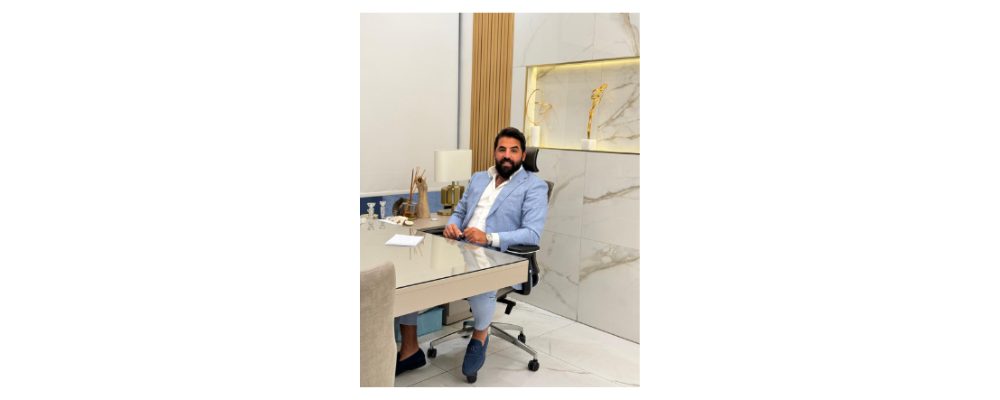
For patients researching local specialists, Dr. Hussam Abbadi, skin surgeon in Dubai is one example of a Dubai-based specialist whose professional information can be reviewed before arranging a consultation.
Review Before-and-After Results
Before-and-after photographs can help patients understand a surgeon’s approach. However, they should not be considered a guarantee of a particular result.
Every patient’s anatomy, facial proportions, skin characteristics, and healing response are different. A result that looks suitable on another person may not be appropriate for someone else.
Discuss Your Treatment Goals
A good consultation should provide an opportunity to explain exactly what you want to change.
Rather than asking for an identical nose to someone in a photograph, patients can discuss concerns such as a prominent bridge, nasal tip shape, asymmetry, or overall facial balance.
The surgeon can then explain which changes may be realistic based on the patient’s anatomy.
Ask About the Surgical Technique
Different rhinoplasty techniques may be appropriate for different patients. The surgeon should explain the recommended approach and why it is suitable.
Patients can also ask about expected scars, recovery, anesthesia, potential complications, and whether additional procedures may be required.
Understand the Aftercare Process
Rhinoplasty does not end when the operation is completed. Follow-up care is an important part of recovery.
Before surgery, patients should understand how follow-up appointments work, what restrictions apply after surgery, and who they should contact if they experience an unexpected problem during recovery.
Questions to Ask Before Rhinoplasty
Preparing questions in advance can make a consultation more productive.
Useful questions include:
- What type of rhinoplasty is suitable for my anatomy?
- What changes can realistically be achieved?
- Will the procedure affect nasal breathing?
- Which surgical technique do you recommend?
- How long should I expect the initial recovery to take?
- When can I return to work?
- When can I resume exercise?
- What risks and complications should I understand?
- What follow-up care is included?
- What exactly is included in the quoted cost?
These questions can help patients compare providers based on the quality of care rather than price alone.
Potential Risks of Rhinoplasty
Like other surgical procedures, rhinoplasty has potential risks and complications. These may include infection, anesthesia-related complications, swelling, changes in sensation, breathing difficulties, poor wound healing, dissatisfaction with the appearance, or the possibility of revision surgery.
The American Society of Plastic Surgeons recommends discussing potential risks and complications with a qualified surgeon before undergoing rhinoplasty.
Individual risk can depend on medical history, anatomy, the surgical technique, and other factors. Patients should therefore receive personalized medical advice during their consultation.
Is Rhinoplasty Right for You?
Rhinoplasty may be suitable for adults who have specific concerns about the appearance or structure of their nose and realistic expectations about the outcome.
However, an online article cannot determine whether surgery is appropriate for an individual. A personal consultation and medical assessment are necessary before making a treatment decision.
The objective should also be to achieve a balanced result that suits the patient’s facial features rather than simply copying another person’s nose.
Final Thoughts
Choosing rhinoplasty Dubai involves more than finding the lowest available price. Patients should consider the surgeon’s qualifications, relevant experience, treatment approach, facility standards, recovery support, and overall communication.
Understanding the potential cost and recovery process can make it easier to plan for treatment, while a detailed consultation can help establish realistic expectations.
Before proceeding, patients should ask questions, understand the potential risks, review the complete treatment plan, and make sure they are comfortable with their choice of surgeon and clinic. A carefully planned approach can help patients make a more informed decision about whether rhinoplasty is right for their individual goals.

