
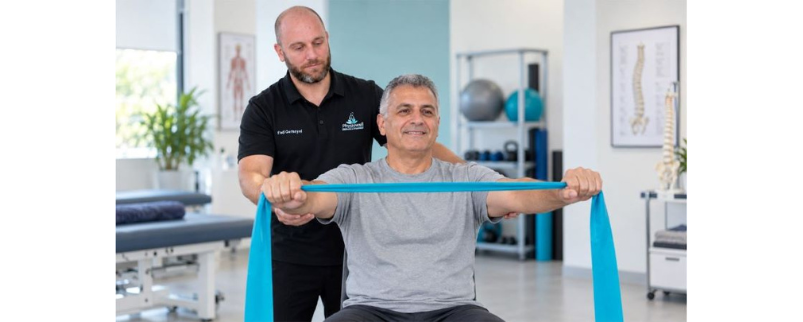
Knowing how to choose a physiotherapy clinic in a new country can be an important consideration for expat families in Dubai. It might start with a teenager who twists a knee at football training, a working parent whose back gives out after months at a desk, a new mother recovering after birth, or an older relative visiting on a long stay. This guide walks through 10 practical checks that help expat families evaluate any physiotherapy clinic in Dubai before booking a first appointment.
Why physiotherapy matters for expat families in Dubai?
Expat families in Dubai often need physiotherapy for a wider mix of reasons than they might back home. High-intensity sports for kids in schools and clubs, screen-heavy office work for parents, post-natal recovery in a new country without extended family nearby, and support for older relatives on long visits all add up. It is common for one family to work with a physiotherapist multiple times over a few years.
Some Dubai clinics offer physiotherapy services across different age groups, allowing families to access care for children, adults and older patients within the same facility. A physiotherapy clinic for expat families in Dubai set up this way is one option worth shortlisting, but the wider point is that some families may find it convenient to access different physiotherapy services within the same clinic, particularly where coordination between practitioners is beneficial. The rest of this guide covers the 10 checks that help you decide which clinic is that one for your family.
Is the clinic and physiotherapist DHA licensed?
Every physiotherapist practising in Dubai must hold a valid Dubai Health Authority (DHA) license, and every clinic must be a DHA licensed health facility. This is the first check to run.
You can verify any practitioner through the Sheryan platform on the DHA website. Search by name to see their license status, scope of practice, and workplace. Patients may wish to ask for their practitioner’s full name and verify their current professional licence through the relevant DHA channels. . For expat families new to the UAE, this verification step allows patients to confirm that the practitioner is appropriately licensed to practise in Dubai. It protects families who may not otherwise know how credentials work in Dubai.
What qualifications and experience should you look for?
Physiotherapists in Dubai must meet the applicable professional qualification and licensing requirements. Patients may also wish to consider additional training and experience relevant to their individual needs. . The credentials worth asking about include the entry-level qualification, DHA license number, specialisation areas (paediatric, sports, women’s health, neurological, orthopedic), years of clinical experience, and continuing professional development activity.
Specialisation matters when your family’s needs are specific. For specific needs, such as paediatric rehabilitation or women’s health and pelvic floor physiotherapy, patients may wish to ask whether the treating physiotherapist has relevant training and experience in that area. Clinics that publish clear practitioner bios and specialties on their website are easier to evaluate before you visit.
Does the clinic treat all ages, from children to grandparents?
Some clinics specialise in one age group or condition, while others are set up to treat the whole family, from young children to visiting older relatives. For expat families, the practical benefits of one family clinic are real: shared records, easier scheduling, consistent communication, and continuity of care when one family member is referred on.
If you have young children
Ask whether the clinic has a designated paediatric physiotherapist and about experience with growth-related conditions, sports injuries in adolescents, developmental physiotherapy, and post-fracture recovery in kids. Not every physiotherapist works with children, and even those who do vary in how they engage younger patients.
If you are a new or expecting mother
Ask whether the clinic offers women’s health physiotherapy, including pelvic health, post-natal recovery, and diastasis recti assessment. This is a specialised area and is not offered by every general clinic.
If you have visiting older parents
Ask whether the clinic offers geriatric-focused rehabilitation and, where appropriate, home visits. Some older patients find it easier to be seen at home for the first few sessions before travelling to the clinic.
Is there a multilingual clinical team?
Physiowell’s clinical team includes multilingual practitioners, so expat families can request a physiotherapist whose language matches theirs. Being able to communicate comfortably with your physiotherapist may make it easier to describe symptoms, understand instructions and discuss progress. When booking, patients can ask receptionists which languages their treating physiotherapist speaks. For children especially, sessions run more openly when the physiotherapist speaks your language. When you book, ask reception which languages your treating physiotherapist speaks.
What questions should you ask before booking?
A short set of clear questions saves families time and lets you compare clinics on equal terms.
Practical questions to ask
- Is the clinic DHA licensed, and can I verify each practitioner’s license?
- Which conditions and age groups does the team most often treat?
- Which languages does the treating physiotherapist speak?
- How long is the initial assessment and what does it cover?
- How is the treatment plan communicated (written summary, parent updates for children)?
- How is progress reviewed, and when will we reassess?
- Do you offer home visits for older or immobile patients?
- What is your session cost, and do you accept my insurance?
- What is the cancellation policy?
- Are treatment techniques explained before they are used?
A clinic that answers these clearly by phone or email is already showing you how it will communicate with you in person.
How is the first appointment structured?
An initial physiotherapy appointment will generally include a clinical history and physical assessment, followed by a discussion of the findings, appropriate treatment where indicated and recommended next steps. For children, expect a parent or guardian to attend and to receive an explanation of findings in language you can act on at home.
What to bring: comfortable clothing you can move in, previous scans or reports, your health insurance details, and a list of current medications. For a child, add school reports of any activity restrictions if relevant.
Does the clinic accept your health insurance?
Many Dubai clinics are within the direct-billing networks of major UAE insurers, but session limits, referral requirements, and network status vary between providers. Three practical steps before booking: check your policy for physiotherapy coverage (session cap, per-session limit, referral requirement), ask the clinic which insurers it directly bills, and confirm whether pre-authorisation is required.
Coverage, session limits and eligibility vary between insurance policies, so patients should confirm the applicable benefits and requirements directly with their insurer or the clinic before treatment. If a course of treatment is likely to exceed your annual session cap, ask the clinic about self-pay rates for follow-on sessions before you commit.
What is the typical cost of a physiotherapy session in Dubai?
Physiotherapy fees vary between clinics depending on factors such as session duration, practitioner experience, treatment requirements and whether the appointment takes place in the clinic or at home. Patients should confirm current fees directly with the clinic before booking.
Several factors move the number:
- Session length: 30, 45, or 60 minutes
- Technique used: manual therapy is standard, while shockwave, dry needling, and specialist paediatric or women’s health sessions may sit above the standard range
- Practitioner seniority and specialty
- Clinic location, with central Dubai clinics sometimes pricing slightly differently from outlying areas
- Home visits, usually priced above clinic sessions
Ask for a written estimate of what a full course of treatment might cost based on your assessment, so you can plan across the family budget.
How important are online reviews and location?
Online reviews are useful for spotting patterns, but they should be one input among several, not the deciding factor. Read for patterns rather than single reviews: repeated mentions of communication, punctuality, and clear treatment plans are stronger signals than the star average.
Location is more important than most families expect. Depending on the condition and individual treatment plan, physiotherapy may involve multiple appointments, so location and ease of access can be practical considerations when choosing a clinic. . Clinics in central areas like Al Manara, Jumeirah, and Umm Suqeim tend to be accessible from most expat neighbourhoods across the Downtown, Palm, and Marina zones.
Things to consider when choosing a physiotherapy clinic
When comparing clinics, patients may wish to consider the following points:
Red flags checklist
- No visible DHA license, or reluctance to share license details for a specific practitioner
- Guarantees of cure, promises of specific results, or superlative marketing claims
- Pressure to commit to a large package of sessions before a full assessment
- Treatment techniques applied without a clear explanation or your informed consent
- Hands-on treatment carried out by unqualified support staff rather than the licensed physiotherapist
- No written treatment plan and no scheduled progress reviews
- Reluctance to communicate with parents or family members involved in a child’s care
A quick checklist: how to choose a physiotherapy clinic in Dubai
Use this compact checklist to shortlist clinics in one afternoon.
- DHA license verified for both the clinic and the specific practitioner
- Qualifications and specialties relevant to your family’s needs
- Age range covered fits your household (children, adults, older visitors)
- Multilingual team, including the languages you actually need
- Transparent session cost and a written estimate for a course of treatment
- Insurance accepted, or a clear self-pay policy
- Clear first-appointment structure with adequate time for assessment
- Written treatment plan and scheduled progress reviews
- None of the red flags in the previous section
- Convenient location for the number of visits you are likely to make
These considerations can help patients compare clinics based on their individual healthcare needs, preferences and practical requirements.
Final thoughts
How to choose a physiotherapy clinic in Dubai comes down to four things: credentials that are verifiable, a family fit that covers all the ages under your roof, transparency about cost and treatment, and a location you can realistically reach for repeat visits. Using these considerations can help you make an informed choice based on your family’s individual clinical and practical needs.
Physiowell is a DHA-licensed healthcare facility in Al Manara with a multilingual clinical team providing physiotherapy services for different patient needs and age groups. Contact our team to discuss your needs and whether our services are appropriate for you or your family.

