
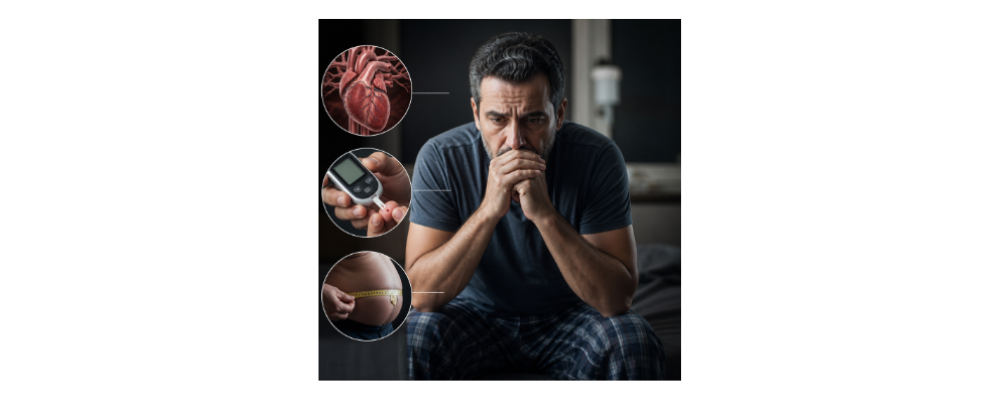
Most men who finally raise the subject of erectile difficulties with a doctor expect a short conversation and a prescription. What often follows instead is a blood pressure cuff, a lipid panel, a fasting glucose test and a frank discussion about smoking and weight. That shift surprises people, but it reflects how urologists and cardiologists in the UAE increasingly think about the problem: the penis is a vascular organ, and trouble with blood flow there rarely stays local.
For men in Dubai and Abu Dhabi, where long desk hours, late dinners, shift work and high rates of type 2 diabetes are part of daily life, this matters practically. Erectile dysfunction (ED) is common, treatable and — crucially — informative. Treating it well means treating the man, not just the symptom.
Why the plumbing fails before the pump does
An erection depends on arteries relaxing and filling spongy tissue with blood, which requires healthy endothelium — the single-cell lining of every blood vessel — and intact nerve signalling. The arteries supplying the penis are narrow compared with the coronary arteries. When atherosclerosis, high blood sugar or chronic inflammation begin damaging vessel walls, the smaller vessels show it first.
That is why clinicians often describe ED as a sentinel symptom. In many men, erectile difficulties appear years before chest pain or a cardiac event. A man in his late forties who notices his erections are less firm and less reliable may be reporting early vascular disease in the only way his body can make obvious. Ignoring it, or quietly buying tablets online, discards useful information.
The usual contributors
- Diabetes and insulin resistance, which damage both nerves and small vessels
- High blood pressure and high cholesterol
- Smoking and vaping, which impair endothelial function directly
- Abdominal obesity, which lowers testosterone and raises inflammation
- Obstructive sleep apnoea and chronic sleep deprivation
- Medications, including some blood pressure drugs and antidepressants
- Pelvic surgery, prostate cancer treatment or spinal injury
- Depression, anxiety, relationship strain and performance-related fear
Most men have more than one contributor. A 52-year-old with a 38-inch waist, pre-diabetes, ten years of smoking and poor sleep does not have a single cause to fix; he has four, each partly reversible.
Testosterone: important, but not the whole story
Low testosterone gets disproportionate attention in men’s health marketing. It is real and it matters — it affects libido, energy, mood, muscle mass and bone density — but it is not the usual explanation for erections that fail mechanically while desire remains intact. A sensible assessment includes a morning blood test, repeated if abnormal, alongside other hormones when symptoms suggest it.
There is also a feedback loop worth understanding. Excess visceral fat increases the conversion of testosterone to oestrogen, which suppresses the hormonal signalling that maintains testosterone production. Weight loss of roughly five to ten percent of body mass often raises testosterone measurably without any prescription. That is why a competent clinician discusses waist circumference before discussing gels and injections, and why unsupervised testosterone use — which can suppress sperm production and thicken the blood — is a poor first move.
Smoking, weight and the changes that actually work
Lifestyle advice sounds soft until you look at the mechanisms. Nicotine causes acute vasoconstriction; tobacco smoke damages endothelial cells over years. Men who stop smoking frequently report firmer erections within months, and the cardiovascular benefit accrues regardless.
On weight, the useful target is not a dress-size equivalent but abdominal fat and cardiorespiratory fitness. Practical steps that hold up in real clinics:
- Aim for 150 minutes a week of moderate aerobic activity, split into sessions you will actually do. Brisk walking counts.
- Add two resistance sessions weekly to preserve muscle while losing fat.
- Protect sleep. Seven hours, consistent timing, and screening for sleep apnoea if you snore heavily or wake unrefreshed.
- Cut liquid sugar and late-night heavy meals before attempting anything more elaborate.
- Reduce alcohol, which both depresses sexual function acutely and adds empty calories.
- Review your medication list with a doctor rather than stopping anything yourself.
None of this replaces medical treatment, and nobody should be told to lose weight instead of being assessed. The two run in parallel.
Where ED overlaps with cancer and surgical care
Prostate and testicular disease intersect with sexual function constantly. Radical prostatectomy and pelvic radiotherapy can affect erections and continence, which is why nerve-sparing technique, surgical volume and rehabilitation planning matter so much to quality of life afterwards. The same logic applies to testicular cancer, where fertility preservation should be raised before treatment starts, not after. Reporting from regional men’s health events has covered how robotic surgery and earlier cancer detection are reshaping outcomes for men, and that conversation inevitably loops back to sexual and urinary function rather than survival alone.
The broader point is that men’s health is best handled as connected care. Specialists in chronic disease have been arguing something similar elsewhere in medicine — for instance, the case for integrating supportive care earlier in advanced kidney disease rests on the same idea: symptoms, function and quality of life deserve attention from the start, not as an afterthought once the organ-focused treatment is done.
Getting a proper assessment in the UAE
A thorough first consultation is less intimidating than men imagine. Expect questions about onset — gradual or sudden, situational or constant — along with morning erections, libido, urinary symptoms, mood and medications. Expect basic cardiovascular and metabolic bloodwork. Expect a physical examination that may include the testes, prostate and peripheral pulses. Specialised vascular imaging is reserved for selected cases, such as younger men with a history of pelvic trauma or those considering surgical options.
When you want reliable background reading before an appointment, it helps to start with hospital-published, medically reviewed material rather than forums or supplement sellers. Cleveland Clinic Abu Dhabi, a multispecialty hospital with institutes spanning cancer, heart and vascular, digestive and neurological care, maintains a health library covering diseases, conditions, treatments and procedures, including a page on causes, evaluation and Erectile dysfunction treatment in UAE that explains what an assessment involves in plain language. The hospital also runs a men’s health awareness programme, MENtion It, aimed squarely at the reluctance that keeps men out of clinics; reading first does not replace a consultation, but it makes the consultation shorter and sharper.
The conversation worth having this year
Men delay this discussion for an average of years, often treating it as a private embarrassment rather than a medical sign. The cost of that delay is not only a strained relationship; it is a missed window to catch hypertension, undiagnosed diabetes or early vascular disease while they are still easy to influence.
If erections have changed noticeably over the past six to twelve months, book a general check-up and say so out loud in the first two minutes. Bring your medication list, your blood pressure readings if you have them, and an honest account of smoking, drinking and sleep. The treatment options are good and varied, from addressing risk factors and reviewing drugs to oral medication, device-based approaches, counselling and, in specific cases, surgery. What determines a good outcome is less the specific therapy than whether somebody looked at the whole picture first. Any information you read, including this article, is general — the decisions belong in a consulting room with your own results in front of you.

