
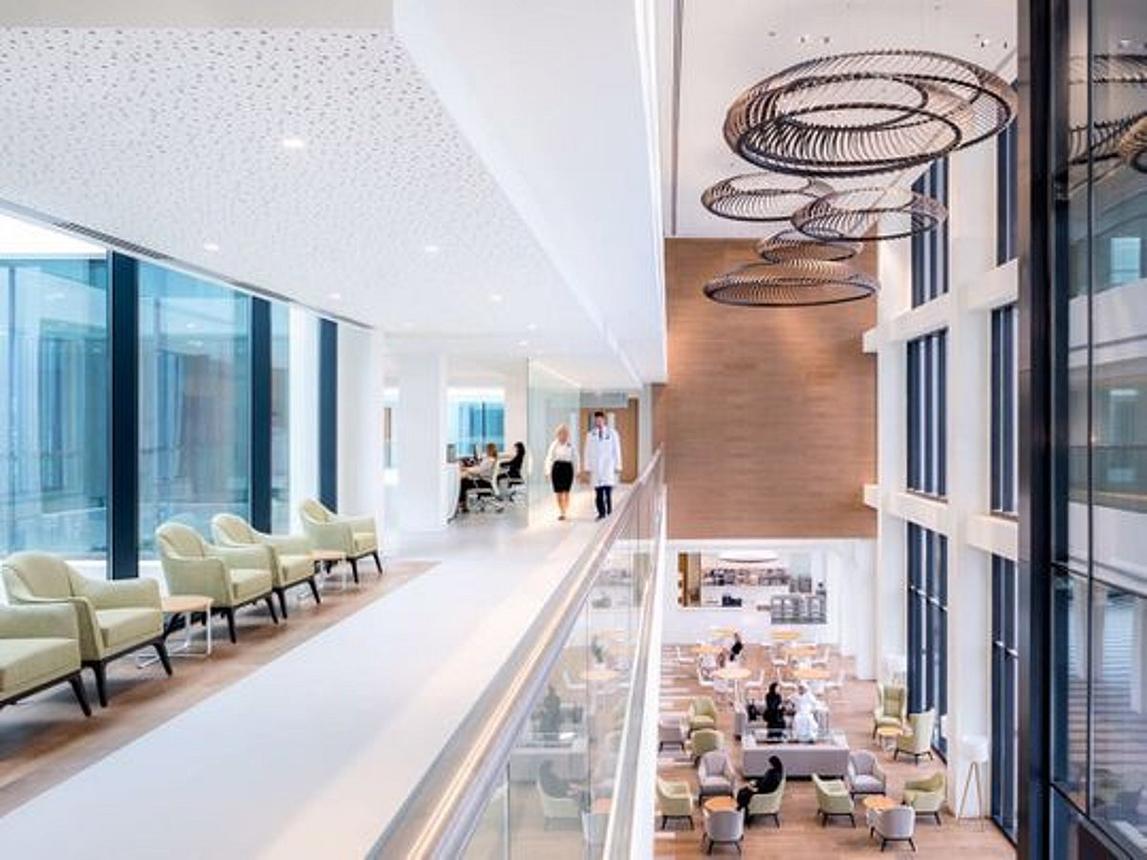
Dubai’s healthcare industry has evolved into one of the most advanced and internationally oriented healthcare sectors in the UAE. Over the past two decades, the emirate has invested heavily in hospitals, specialist clinics, medical technology, healthcare infrastructure and highly qualified professionals. Today, Dubai serves not only its growing resident population but also patients from across the region and beyond. Its combination of modern facilities, international medical expertise, strong regulation and connectivity has helped establish the city as a major healthcare destination.
A key institution driving the sector is the Dubai Health Authority (DHA), which regulates healthcare services and contributes to the development of Dubai’s health system. Dubai has both public and private healthcare providers, creating a competitive environment with a broad range of medical services. Major hospitals and healthcare groups provide treatment across areas such as cardiology, oncology, orthopedics, fertility, pediatrics, neurology, dentistry, dermatology and cosmetic medicine. The city has also attracted international healthcare brands and specialist practitioners, giving patients access to diverse treatment options.
Medical tourism is an important component of Dubai’s healthcare strategy. The city’s global air connectivity, luxury hospitality sector, multicultural environment and expanding specialist medical services make it attractive to international patients. People increasingly travel to Dubai for elective procedures, dental care, cosmetic treatments, fertility services, orthopedic procedures and other specialized treatments. The emirate has promoted medical tourism as part of its broader economic diversification strategy, while healthcare providers have developed dedicated services for international patients, including multilingual assistance, personalized care and treatment packages.
Technology is another major force transforming healthcare in Dubai. Healthcare providers are increasingly adopting artificial intelligence, electronic medical records, telemedicine, robotics, wearable technology and data-driven diagnostics. AI can support physicians by analyzing medical information, assisting with diagnosis and improving operational efficiency. Digital healthcare platforms also make it easier for patients to schedule appointments, access medical information and communicate with healthcare professionals. Dubai’s wider ambition to become a smart city has accelerated the adoption of digital technologies across the healthcare ecosystem.

The private healthcare sector plays a particularly important role in Dubai. Private hospitals, clinics and specialist centers compete on service quality, technology, convenience and specialized expertise. This competition has encouraged investment in advanced equipment and premium healthcare facilities. At the same time, Dubai continues to strengthen healthcare regulation and quality standards to ensure that providers meet established requirements for patient safety and professional practice.
Preventive healthcare is also becoming increasingly important. As lifestyles change and the population becomes more health-conscious, there is greater emphasis on early detection, wellness, nutrition, fitness and chronic disease management. Healthcare providers are expanding screening programs and preventive services, while digital health platforms are helping individuals monitor aspects of their health more conveniently.
Dubai’s healthcare industry also benefits from its ability to attract international medical professionals. Doctors, nurses, researchers and other specialists from different parts of the world contribute to a diverse healthcare workforce. This international talent pool supports the city’s reputation for providing multilingual and culturally aware healthcare services.
Looking ahead, Dubai’s healthcare industry is likely to become even more technology-driven and specialized. AI-assisted healthcare, precision medicine, robotic procedures, remote monitoring and personalized treatment are expected to play increasingly important roles. Investments in medical research, biotechnology and digital health could further strengthen the sector.
Overall, Dubai has transformed healthcare from a primarily domestic service sector into a sophisticated and internationally competitive industry. With continued investment, technological innovation, medical tourism and a strong focus on quality, Dubai is well positioned to remain one of the UAE’s leading healthcare hubs and an increasingly important healthcare destination in the region.

