
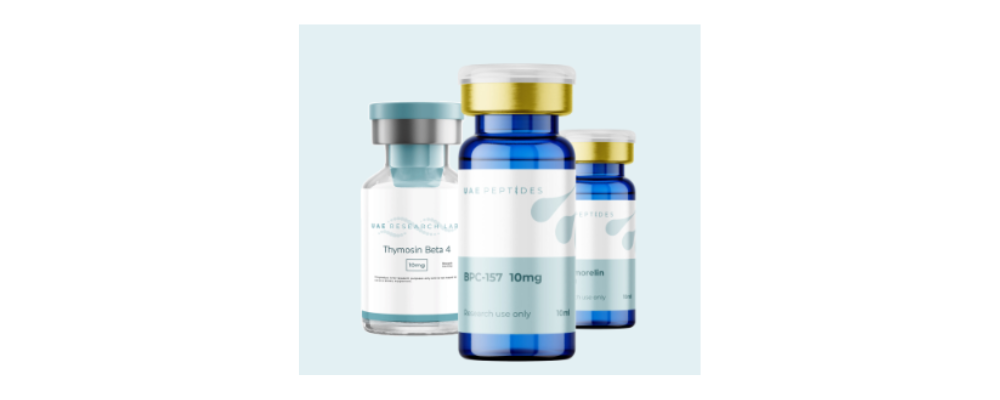
Two vials from two different suppliers can carry the same compound name, the same purity figure and almost identical labels, and still give your research different results.
For research teams in the UAE, these steps now run partly through local suppliers. Ordering within the country can shorten the time a parcel spends in transit, and some suppliers stock a broad range.
UAE Peptides Research, for example, lists compounds from common research peptide compounds to its peptide bioregulator range, supplied for research use only.
Whoever the supplier is, here are 3 things you should look out for.
1. Purity and Endotoxin Are Tested Separately
A purity figure, often quoted at 98% or 99%, describes the chemical make-up of the powder. It shows how much of the sample is the intended peptide and how much is fragments or faulty copies left over from manufacture. It does not really say anything about endotoxin.
Endotoxins are fragments of the outer wall of a large group of bacteria known as gram-negative bacteria.
They are tough. According to published technical guidance on endotoxin testing, they survive ordinary sterilising conditions, and they can be carried into a sample from equipment, water or the surfaces it touches during handling.
In cell experiments, endotoxin is a recognised source of unwanted variability. It can provoke inflammatory signals in immune cells, which is enough to muddy results in any study where inflammation is being measured.
It is tested with a separate assay, usually the limulus amebocyte lysate test, which uses an extract from horseshoe crab blood and reports results in endotoxin units.
When a supplier is asked about endotoxin and replies with the purity percentage, this is a red flag.
2. What happens after synthesis?
Peptides are made as a raw powder in a synthesis facility. After that, the powder is portioned, filled into vials, sealed, stored and shipped, often by different people in different places.
Each step is a chance for contamination or degradation to creep in, and none of it shows up on a neatly printed label.
A careful supplier can describe that chain. That includes where the batch was filled and under what conditions, whether in a controlled cleanroom or on an ordinary workbench.
It also includes how stock is stored once it arrives in the country, and how orders are packed for delivery during a UAE summer, when a parcel can spend hours in a hot vehicle.
A good supplier also has all compounds third-party tested.
3. Documentation Should Be Independent and Batch-Specific
Most reputable suppliers provide a Certificate of Analysis, a short lab report for each batch. The value of that report depends on a few details that are easy to check.
The batch number on the certificate should match the batch number on the vial. The report should name the laboratory that carried out the testing, and results from an independent third-party lab can carry more weight than figures produced in-house.
It should also be recent enough to describe the stock actually being sold. A generic certificate that could apply to any batch tells a researcher very little.
Good suppliers tend to share these documents upon request, without a problem.

